Amps To Kva Calculator . Kva = (220 * 20)/1000 = 4.4 kva. I (a) = 1000 × s (kva) / v (v) 3 phase kva to amps calculation formula calculation with line to line voltage. kVA to Amps Conversion Calculator Online Easy Rapid Calcs from easyrapidcalcs.com S (kva) = i (a) × v (v) / 1000. To calculate the kva rating of a machine from the amperage rating, just enter the value of current in amperes, voltage in volts, select power. Kva = a × v / 1000.
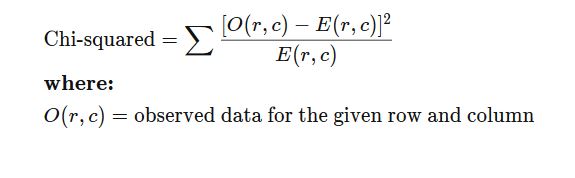
How To Calculate Expected Frequency In Chi Square. Expected frequency for chi square equation. View full question and answer details:
Chi Square test tutorial Definition, Formula & Examples Prwatech from prwatech.in
One common assumption is that all groups are equal (e.g. As such, you expected 25 of the 100 students would achieve a grade 5. However, in reality, 30 students achieved a score of 5.
Now, The Expected Count Formula Can Be Applied To Each Cell In The Contingency Table.
How to calcualte expected frequency from observed frequency Use the expected count formula to calculate the expected count of each cell in the contingency table. This calculator allows for more flexible options beyond just.
Here Is An Example Of How To Calculate Expected Frequencies.
Decide whether to reject the null hypothesis. The test above statistic formula above. As such, you expected 25 of the 100 students would achieve a grade 5.
605 / 5 = 121 Expected Per Group).
I understand the process based upon which we pick the expected values. But, when it comes to the dependence test (the one where we use a contingency table), i don't understand why the expected frequency is calculated from the observed frequencies in the contingency table using (row total x column total)/grand total. Standardized residuals are calculated using expected frequencies, in which the expected count is subtracted from the observed count in the numerator.
In General, You’ll Need To Multiply Each Group’s Expected Proportion By The Total Number Of Observations To Get The Expected Frequencies.
Expected frequency for chi square equation. View full question and answer details: Because the frequency is expected to be the same for each category (equal frequencies), it is the average frequency or count.
In The Test Statistic, O = Observed Frequency And E=Expected Frequency In Each Of The Response Categories.
However, in reality, 30 students achieved a score of 5. 150 x 349/650 ≈ 80.54. Most important things to know:


Comments
Post a Comment